
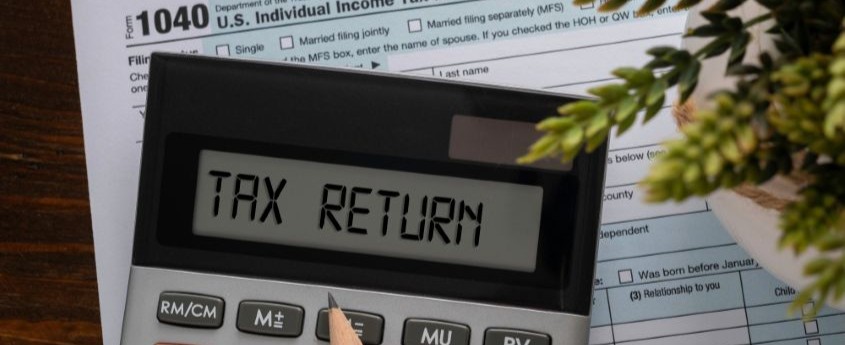
IRS To Begin Accepting Tax Returns On Jan. 26: What Taxpayers Should Know
Taxpayers eager for their refunds can begin filing federal income tax returns on Jan. 26, 2026, the IRS just announced.
For many households, tax refunds represent the largest annual payout. Last year, the average refund totaled nearly $3,200, according to IRS data. Refunds could be even higher this year, with financial services estimating that the typical payment may increase by about $1,000.
Several major tax changes will affect 2025 returns following the passage of Republicans’ “Big, Beautiful Bill Act”. The legislation introduced new tax breaks retroactive to 2025, including the elimination of taxes on certain overtime and tipped income. It also raised the cap on the state and local tax (SALT) deduction from $10,000 to $40,000.
Federal tax returns are due April 15. Taxpayers who need additional time can request an automatic extension, which moves the filing deadline to Oct. 15. However, any taxes owed must still be paid by April 15 to avoid penalties and interest.
When to Expect Your Refund
Refund timing depends on how a return is filed and whether the IRS identifies any issues. Taxpayers who file electronically generally receive refunds within 21 days. That means someone who files a Form 1040 on Jan. 26 could receive their refund as early as Feb. 16, provided there are no complications.
The IRS’ “Where’s My Refund?” tool allows filers to track the status of their return, with updates typically available within 24 hours of e-filing. For paper returns, the IRS said the tool may take up to four weeks to show status information, as paper filings require manual processing and take longer to review.
Source: AOL News