
How 2026 Tax Bracket Changes Affect Retirement Income
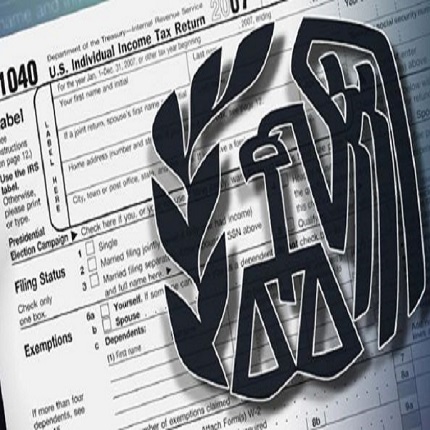
The Internal Revenue Service has released the federal income tax brackets for 2026, prompting financial advisors to encourage retirees to review how the changes may affect their retirement plans.
These updated thresholds apply to income earned in 2026 and tax returns filed in 2027, and they can influence decisions such as withdrawal strategies and Roth conversions.
Catherine Valega, a certified financial planner and founder of Green Bee Advisory, notes that tax bracket awareness is important at every stage of life, but it becomes especially critical in retirement. Retirees must juggle required minimum distributions (RMDs), Social Security benefits, and the timing of withdrawals, all of which can affect taxable income.
For 2026, the IRS maintains seven marginal tax rates ranging from 10% to 37%. Single filers earning up to $12,400 fall into the 10% bracket, while income above $640,601 is taxed at the top rate of 37%. For married couples filing jointly, the 10% bracket applies to income up to $24,800, with the highest rate beginning at $768,701. The remaining brackets—12%, 22%, 24%, 32%, and 35%—apply to income levels between those ranges.
Strategic Withdrawals Can Reduce Taxes
Patrick Huey, a certified financial planner and owner of Victory Independent Planning, explains that understanding where you fall within the tax brackets helps determine which retirement accounts to draw from first. The order and timing of withdrawals can significantly affect annual tax bills.
Most common retirement income sources are subject to federal taxes. Social Security benefits, pension income, and RMDs from traditional IRAs and 401(k) plans are generally taxed as ordinary income. Because of this, even a single large withdrawal can push a retiree into a higher tax bracket.
Failing to account for bracket thresholds can lead to unexpected tax increases. A withdrawal that seems reasonable on its own may raise total income enough to trigger higher tax rates on additional earnings.
Using Alternative Income Sources
Bill Shafransky, a senior wealth advisor at MONECO Advisors, suggests retirees near the edge of a higher tax bracket consider alternative funding sources. Cash savings and taxable brokerage accounts can provide flexibility when withdrawing from traditional retirement accounts would result in higher taxes.
Selling investments held in taxable brokerage accounts typically produces long-term capital gains rather than ordinary income. Because capital gains are taxed at lower rates, retirees can often reduce their overall tax burden by choosing these assets instead. Remaining below the next tax bracket threshold can offer both short- and long-term tax advantages.
Required Minimum Distributions Add Complexity
Required minimum distributions pose another challenge. Starting at age 73, retirees must take annual withdrawals from traditional IRAs and 401(k) plans, regardless of whether the income is needed. Huey describes RMDs as a frequent cause of retirees being pushed into higher tax brackets. Because these withdrawals are mandatory, retirees lose control over the timing of taxable income. Someone who carefully managed their tax exposure earlier in retirement may see their tax bill rise sharply once RMDs begin.
Roth Conversions as a Planning Tool
To offset the impact of RMDs, Valega often recommends Roth conversions. Roth accounts are not subject to RMDs, offering more control over income and potential tax advantages for heirs. A Roth conversion moves funds from a pretax account, such as a traditional IRA or 401(k), into a Roth account. The converted amount is taxed in the year of conversion, but future withdrawals are generally tax-free.
Valega notes that many of her high-net-worth clients—those with assets exceeding $5 million—project RMDs of several hundred thousand dollars per year by their mid-70s. For retirees who do not need that level of income, completing Roth conversions before RMDs begin can be a smart long-term strategy. Withdrawals by retirees or inherited Roth accounts passed to children are typically not taxed.
Choosing the Right Time to Convert
Shafransky advises timing Roth conversions during years when income falls into lower tax brackets. Early retirement years can be ideal, particularly after employment income ends but before RMDs and full Social Security benefits begin.
Paying taxes at lower rates now can reduce future tax exposure later in retirement. For those unsure about the best approach, professional guidance can be valuable. A clear understanding of tax rules—whether independently or with expert help—can lead to meaningful savings over time and preserve more wealth for heirs.
Source: Rolling Out